New Font on the Block: A Handwritten Style for Fun Projects
There is a specific kind of nostalgia associated with passing notes in class, doodling in the margins of a notebook, or labeling mix tapes with a thick marker. It is a casual, unpolished, and deeply personal aesthetic. Capturing that feeling in digital design can be difficult, as many standard fonts feel too sterile or overly professional. This is where New Font on the Block enters the conversation. As a blocky, fun handwritten font inspired by middle-school notes, it offers a distinct personality that can transform a generic design into something with genuine character.
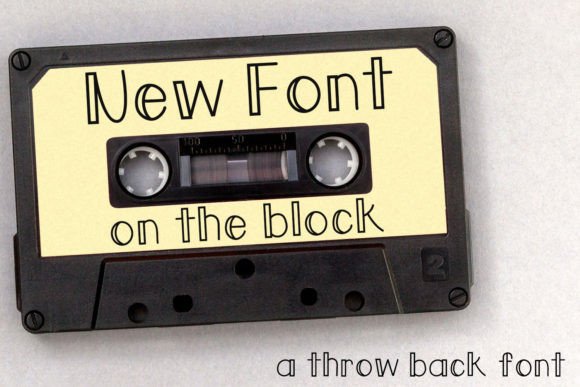
Understanding what this font actually looks like is the first step in deciding if it fits your toolkit. Unlike script fonts that mimic cursive or calligraphy, New Font on the Block focuses on the print-style handwriting often seen in adolescent notebooks. The characters are typically uneven, bold, and full of energy. It is not trying to be perfect, and that is its strength. For anyone looking to inject a bit of playfulness or youthful rebellion into their work, this typeface provides a ready-made solution.
Why the "Middle-School" Aesthetic Resonates
You might wonder why a font inspired by a teenager's notebook appeals to adults ranging from 20 to 50 years old. The answer lies in authenticity. In a digital world dominated by sleek sans-serifs and polished serifs, raw typography stands out. It signals to the viewer that the content is approachable, informal, or perhaps humorous. Whether you are a blogger trying to sound more conversational or a marketer aiming to connect with a younger demographic, this font bridges the gap between the digital page and human touch.
However, the utility of a blocky handwritten font varies significantly depending on your specific role. What works for a scrapbooking enthusiast might be disastrous for a corporate report writer. Here is how different groups might approach New Font on the Block.
For Crafters and Hobbyists
If you are a hobbyist involved in scrapbooking, card making, or DIY decor, this font is likely to become a staple. The "blocky" nature of the letters is particularly helpful here. Unlike thin, spidery scripts that can get lost on patterned paper or fade when printed on lower-quality home printers, the bold strokes of this font maintain their integrity.
Imagine creating a layout for a family vacation album. Using a standard serif font might make it look like a business report. Using New Font on the Block instantly sets a mood of fun and memory. It is particularly effective for headers or journaling spots where you want the text to feel like it was written by hand in the moment.
For Educators and Parents
Educators and parents often need to create materials that are engaging for children but easy to read. This is a delicate balance. While some decorative fonts sacrifice legibility for style, the "blocky" descriptor of this font suggests a certain weight and clarity.
Consider a teacher creating a "Welcome Back to School" bulletin board or a set of vocabulary flashcards. A font that looks like it belongs on a student's binder creates an immediate sense of camaraderie with the students. It says, "We are in this learning environment together." For beginners in design—perhaps a parent making a birthday party invitation for the first time—this font removes the intimidation factor. It is forgiving and easy to use without requiring advanced design knowledge.
For Small Business Owners and Entrepreneurs
This is where the decision-making process becomes more nuanced. A small business owner must evaluate the commercial value and brand alignment of their typography choices.
If you run a vintage record store, a retro arcade, or a quirky stationery shop, New Font on the Block could be perfect for your logo or weekly social media posts. It conveys a brand identity that is nostalgic and irreverent. However, if you are a financial advisor or a legal consultant, this font would likely undermine your credibility. The priority here is reliability and professionalism, traits that a middle-school style font does not communicate.
For the entrepreneur launching a product aimed at Gen Z or Millennials, this font can be a strategic asset. It feels organic rather than corporate, which is a key factor in modern marketing.
Practical Applications and Use Cases
To get the most out of New Font on the Block, it helps to look at specific scenarios where its unique traits shine. Because it is a display font (meaning it is designed for headlines rather than long paragraphs), its usage is generally best kept to short bursts of text.
Social Media and Content Creation
For bloggers and marketers, social media is a visual battleground. You have about two seconds to stop someone from scrolling. A blocky, handwritten font creates a strong visual hook. It is excellent for:
- Instagram Stories: Overlaying text on a photo to give a "journal entry" vibe.
- TikTok Thumbnails: Creating bold, readable titles that stand out in a crowded feed.
- Pinterest Pins: Adding a personal touch to recipe cards or DIY project guides.
The speed of creation is also a factor here. Instead of taking a photo of a handwritten note and digitizing it, you can simply type out your message using the font, achieving the same look with much less effort.
Digital Design and Web Use
For freelancers and professionals in the design space, versatility is key. While you wouldn't use this font for body copy on a website, it works well for specific elements. It can be used for call-to-action buttons, 404 error pages ("Oops! We couldn't find that"), or section headers on a lifestyle blog.
However, reliability is a concern. Does the font render well on all browsers? Does it support multiple languages? When evaluating this font, a professional will check its technical specs alongside its aesthetic appeal. A creator looking for long-term usefulness needs to know that the font file is clean and compatible with their software, whether that is Adobe Photoshop, Canva, or Procreate.
Evaluating the Font: What to Look For
Before fully integrating New Font on the Block into your workflow, it is worth evaluating it against your specific priorities. Different users weigh different factors.
Ease of Use vs. Flexibility
For a beginner, ease of use is paramount. You want a font that looks good immediately without needing to adjust kerning (letter spacing) or leading (line spacing) extensively. Blocky fonts often handle this well because their shapes are distinct.
For an experienced user, flexibility might be more important. Does the font include alternative characters? Does it have a full set of punctuation and special symbols? If you are using it for commercial packaging, you need to ensure it has the necessary glyphs for legal requirements (like the trademark symbol).
Creativity vs. Legibility
This is the classic trade-off. New Font on the Block is high on creativity. It has a strong voice. But at small sizes, handwritten fonts can become difficult to read. If your primary goal is presentation—such as a slide deck for a business pitch—clarity is more important than style. If your goal is a poster for a garage sale, style wins.
Matching the Font to Your Goals
Ultimately, the decision to use New Font on the Block comes down to intent. It is a specialized tool, not a universal one.
- Choose it if: You want to evoke nostalgia, fun, or a casual atmosphere. You are working on a project for kids, teens, or a youthful adult audience. You need a header font that feels organic.
- Avoid it if: You need to convey authority, seriousness, or high-tech precision. You are designing long-form reading material where eye strain is a concern.
For the marketer launching a back-to-school sale, it is a perfect thematic fit. For the hobbyist making stickers for a planner, it adds a delightful personal touch. For the professional designing a logo, it requires careful consideration of the brand's voice.
Conclusion: Adding It to Your Toolkit
Typography is one of the most powerful tools in visual communication, and having a diverse library is essential. New Font on the Block fills a specific niche: the informal, handwritten, blocky style that many other fonts overlook. It reminds us that design doesn't always have to be serious or perfect; sometimes, it just needs to be fun.
By considering how this font aligns with your audience's expectations and your project's goals, you can make an informed decision. Whether you are a creator looking for fresh inspiration or a business owner trying to humanize your brand, adding this font to your crafty ideas will likely yield results that are both engaging and visually distinct.