Exploring the Visual Impact of Monster Stories Font by Dreamink 7ntypes
In the realm of graphic design, typography serves as the voice of the visual message, conveying not just information but also mood and atmosphere. When the calendar turns to October, or when a project requires a touch of the supernatural, designers often seek typefaces that can bridge the gap between whimsical fun and genuine horror. This is where the Monster Stories Font by Dreamink 7ntypes enters the conversation. It is not merely a collection of letters; it is a stylistic tool designed to evoke a specific "creepy-cute" aesthetic that has become increasingly popular in modern design.
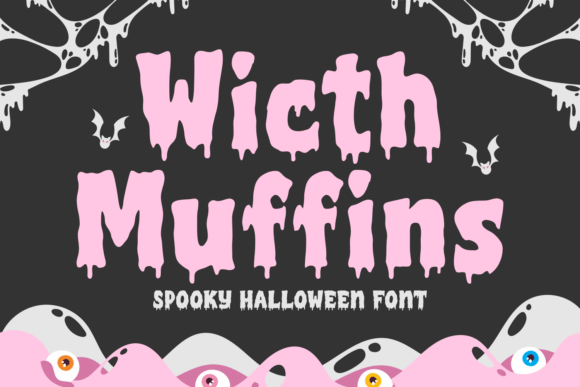
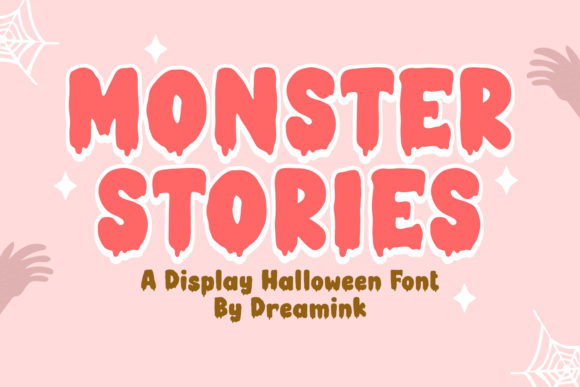
Unlike standard serif or sans-serif fonts that prioritize neutrality, Monster Stories is a display typeface characterized by its bold, chunky letterforms. These characters are immediately distinct due to their structural weight, which ensures high legibility even at a distance. However, the defining characteristic of this typeface lies in its details. The letters appear to be constructed from a viscous, gooey substance, with drips and imperfections integrated into the vector paths. This design choice transforms static text into a dynamic visual element that suggests motion or texture, making it a standout choice for thematic projects.
The "Creepy-Cute" Aesthetic: Balancing Horror and Playfulness
One of the most challenging aspects of Halloween-themed design is striking the right tone. Designs intended for adults often lean into gritty, distressed textures that can be too frightening for children. Conversely, fonts designed for toddlers may appear too sanitized for a haunted house atmosphere. The Monster Stories Typeface successfully navigates this middle ground, creating a "creepy-cute" aesthetic.
This balance is achieved through the shape language of the font. The corners are rounded, and the proportions are slightly exaggerated, giving the text a friendly, cartoonish quality. Yet, the dripping details and the heavy, shadow-like weight of the strokes introduce an element of horror. This duality makes the font incredibly versatile. It is safe enough for a child’s birthday party invitation but stylistically relevant enough for a neighborhood haunted house poster. For designers, this versatility means a single typeface can serve multiple client needs without compromising the thematic integrity of the project.
Practical Applications in Print and Digital Media
The utility of a display font is measured by its adaptability across different mediums. The Monster Stories Font by Dreamink 7ntypes is engineered to perform well in both print and digital environments, though its application requires an understanding of context.
Physical Products and Merchandise
In the world of physical goods, texture and visibility are paramount. This typeface excels in applications such as:
- Halloween Party Invitations: The font sets the mood immediately upon opening the envelope, signaling a fun, themed event.
- Trick-or-Treat Bags: Because the letterforms are chunky and bold, they are ideal for screen printing on fabric. The details remain crisp even when applied to textured canvas bags.
- Greeting Cards and Stickers: For stationery designers, this font provides a ready-made focal point. It pairs well with flat vector illustrations of monsters, pumpkins, and ghosts.
Digital Interfaces and Web Design
On screens, the font retains its impact, provided it is used correctly. It is highly effective for:
- Social Media Graphics: In the fast-scrolling environment of platforms like Instagram or TikTok, the bold nature of Monster Stories grabs attention instantly. It is perfect for overlaying text on video content or static images promoting seasonal sales.
- Website Headers: For e-commerce sites running Halloween promotions or blogs covering horror media, using this font for H1 or H2 headers can instantly brand the page for the season.
- Digital Invitations: Evites and email campaigns benefit from the playful personality of the typeface, making the communication feel less like spam and more like a festive announcement.
Design Considerations and Typography Best Practices
While the Monster Stories Font is visually striking, its effectiveness depends on how it is implemented within a larger layout. As a display typeface, it is intended for headlines, titles, and short bursts of text rather than long-form body copy. Using it for paragraphs would result in poor readability and visual fatigue for the viewer.
Pairing with Secondary Fonts
To create a balanced composition, designers should pair Monster Stories with a neutral, highly legible font for body text. A clean sans-serif like Roboto, Open Sans, or Lato works best. The contrast between the playful, irregular shapes of the Monster Stories headers and the clean geometry of the body text creates a visual hierarchy that guides the reader's eye. If the header is loud and detailed, the body text should be quiet and structured.
Color and Backgrounds
The "dripping" nature of the font means it relies on negative space to show its details. Consequently, it works best on solid, contrasting backgrounds. Placing the text on a busy, photographic background can cause the details to get lost, making the text look muddy. Using a solid background—or placing the text inside a shape or banner—ensures that the "gooey" edges remain distinct and legible.
The Psychology of Thematic Typography
Typography influences how a viewer perceives the seriousness and tone of a message. The use of a font like Monster Stories Typeface triggers specific psychological associations. For the consumer, it signals "event," "celebration," and "seasonality." It moves the viewer out of the mundane context of everyday life and into a specific narrative space—in this case, the Halloween season.
For businesses, particularly those in the retail or events sector, utilizing thematic typography is a subtle form of signaling. It tells the customer that the business is current, attentive to trends, and participating in the cultural conversation. A bakery using this font for their October menu, for example, appears more festive and approachable than one using a standard corporate typeface.
Technical Aspects and Font Management
From a technical standpoint, the Monster Stories Font by Dreamink 7ntypes is a standard asset that can be installed on most operating systems. However, designers should be mindful of file formats and licensing. Ensuring that the font file is in .OTF (OpenType) or .TTF (TrueType) format ensures compatibility with major design software like Adobe Photoshop, Illustrator, and Canva.
When working with this font, kerning (the spacing between individual characters) may require manual adjustment. Because the letterforms have irregular edges—due to the dripping effects—automated kerning algorithms might not always place the letters perfectly adjacent to one another. Designers should inspect the spacing between specific letter pairs (like "T" and "o" or "M" and "o") to ensure the text feels cohesive rather than disjointed.
Trends in Horror and Halloween Design
The popularity of the "creepy-cute" style seen in Monster Stories reflects a broader trend in pop culture. Modern horror and Halloween aesthetics often blend the macabre with the absurd. This is evident in the popularity of media that combines humor with horror, as well as the rise of "kawaii" horror art styles. Consumers are increasingly looking for designs that are spooky but not traumatizing; fun but not childish.
This typeface fits perfectly into that zeitgeist. It acknowledges the tradition of Halloween monsters but presents them in a way that is accessible and stylized. For content creators and educators, this means the font can be used to engage younger audiences with spooky stories or educational materials about folklore without causing undue alarm.
Conclusion: Enhancing Narrative Through Design
Ultimately, the Monster Stories Font by Dreamink 7ntypes is more than just a seasonal novelty. It is a tool for storytelling. By incorporating its unique, dripping letterforms into a design, creators can instantly establish a narrative context. Whether used on a haunted house flyer, a digital invitation, or a sticker pack, the font provides a distinct voice that is both fun and frightful. Its ability to balance bold visibility with intricate thematic details makes it a valuable asset in any designer's toolkit, particularly for projects aiming to capture the spirit of the season.