Ladybug Font: A Practical Guide to Its Charm, Use Cases, and Tradeoffs
When searching for a typeface that injects personality and whimsy into a project, designers often encounter a category of decorative fonts that prioritize theme over neutrality. Among these, Ladybug Font stands out as a distinct option, merging playful design with functional typography. This article provides a balanced look at what this font offers, where it excels, and the practical considerations you should weigh before integrating it into your work.
Understanding the Core Design of Ladybug Font
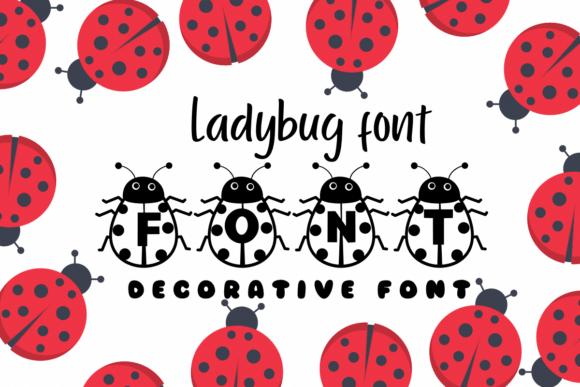
At its foundation, Ladybug Font is a decorative display typeface. Its primary characteristic is the integration of a cheerful ladybug motif into the structure of its uppercase letters. Each capital letter is crafted within or as part of a ladybug shape, creating an instantly recognizable and thematic visual. This design approach makes it far more than a simple script; it’s an illustration-based font where each character carries a specific visual message.
The font system typically includes two distinct layers or sets. The uppercase set delivers the full, illustrative ladybug theme, ideal for headlines, logos, or monograms where maximum impact is desired. In contrast, the lowercase set usually offers a cleaner, more versatile outline or simplified form. This dual approach provides a built-in balance, allowing designers to mix thematic elements with more readable text blocks.
Key Strengths and Ideal Applications
The primary strength of Ladybug Font is its unmatched thematic coherence for specific niches. It excels in contexts where the goal is to evoke joy, nature, childhood, or a sense of playful care.
- Children's Media and Education: It is a natural fit for book covers, educational worksheet headers, toy packaging, and nursery decor. The design instantly communicates a child-friendly atmosphere.
- Branding for Niche Businesses: Businesses such as boutique bakeries, children's clothing lines, gardening shops, or eco-friendly brands can use it to create a memorable and approachable logo or tagline.
- Seasonal and Event Design: The font works well for spring-themed invitations, garden party flyers, or nature event posters. Its charm aligns perfectly with seasonal campaigns.
- Crafting and DIY Projects: For crafters using cutting machines or design software, this font adds a unique, handcrafted feel to labels, scrapbook elements, and custom apparel.
In these scenarios, Ladybug Font doesn't just convey words; it reinforces the entire project's emotional tone and visual identity. Its ability to "tell a story" through letterforms is its most valuable asset.
Practical Tradeoffs and Limitations
No typeface is universally perfect, and understanding the tradeoffs of a highly thematic font like this is crucial for making an informed decision. The very features that make it distinctive also impose constraints.
- Readability vs. Impact: The ornate uppercase letters, while eye-catching, can reduce readability, especially at smaller sizes or in long sentences. They are best reserved for short headlines or display text, not body copy.
- Contextual Limitations: Its playful nature is a strength in specific contexts but a weakness in others. Using Ladybug Font for a corporate financial report, a serious legal document, or a luxury brand would create a jarring mismatch. The font's personality must align with the project's message.
- Technical Considerations: As a decorative font, it may have limited character sets or language support compared to comprehensive professional typefaces. Always check for the inclusion of numbers, punctuation, and special characters you might need.
- Overuse Risk: Its strong theme can become overwhelming if used extensively. Pairing it with a neutral, clean sans-serif or serif font for supporting text is often a necessary strategy to maintain visual hierarchy and prevent design fatigue.
Comparing Ladybug Font to Other Stylistic Approaches
When evaluating typography for a project, it's helpful to consider Ladybug Font within a broader spectrum of stylistic choices. It occupies a specific niche that differs from other common alternatives.
Against Standard Decorative Fonts
Many decorative fonts use abstract shapes, grunge textures, or retro styles. Ladybug Font is more literal and illustrative. This makes it more specific in its application—it's not a "quirky" font for any project, but a "ladybug-themed" font for particular themes. This specificity can be a powerful branding tool or a limiting factor, depending on your needs.
Against Handwritten or Script Fonts
While both can feel personal and approachable, handwritten fonts mimic the fluidity of human writing. Ladybug Font is more constructed and graphic. It offers less of a "personal note" feel and more of a "designed emblem" feel. For projects requiring a human touch, a script might be better; for projects requiring a symbolic mascot, the ladybug theme is superior.
Against Using Clip Art with Neutral Fonts
A common alternative is to pair a simple, readable font with separate ladybug illustrations. This approach offers more layout flexibility—you can place the bug anywhere. However, it lacks the integrated cohesion of Ladybug Font, where the letterform and the motif are one. The integrated font ensures consistent sizing and alignment across all characters, which can simplify design work.
Decision Factors: When Is Ladybug Font the Right Choice?
Choosing this font should be a deliberate decision based on clear project requirements. Ask yourself these questions:
- What is the primary audience? If the audience is children, parents, or individuals seeking a lighthearted experience, the font is likely a strong candidate. For a general or professional audience, its use may need to be extremely limited.
- What is the core message? Does the project aim to convey joy, nature, growth, or playfulness? If the answer is yes, the font's theme supports that message. If the message is authority, innovation, or elegance, another typeface will serve you better.
- How will it be used? Evaluate the medium. It works well in large formats (posters, websites headers) where details are visible. In small print (business cards, lengthy PDFs), its readability may suffer.
- What is the typographic hierarchy? You will almost certainly need a complementary font for body text, captions, or secondary information. Plan this pairing in advance. A clean geometric sans-serif often provides a good counterbalance.
Practical Implementation Tips
If you decide Ladybug Font aligns with your project, consider these practical tips for effective use:
- Use Strategically: Deploy it for logos, main headings, or single key words. Avoid setting entire paragraphs in its uppercase form.
- Pair Wisely: Combine it with a highly legible, neutral font. The contrast will make the decorative font pop while keeping the overall design functional.
- Test Thoroughly: Always view the font at the intended size and in the intended context (on screen, in print) before finalizing your design. Check how letters pair together in your specific word or phrase.
- Consider Color and Space: The illustrative nature of the font may allow for creative color fills within the ladybug shapes. Also, ensure there is enough surrounding white space so the detailed letters don't feel cluttered.
Conclusion: A Specialized Tool for Specific Needs
Ladybug Font is not a workhorse typeface for every situation, nor is it intended to be. Its value lies in its ability to instantly inject a specific, joyful aesthetic into a design. It is a powerful tool for the right job—a children's brand, a spring campaign, a whimsical invitation. Its success depends on a clear-eyed assessment of its strengths against the practical requirements of your project. By understanding its thematic focus, its ideal applications, and its inherent limitations, you can make an informed choice about whether this charming font is the right resource to tell your visual story.