Mastering the Future: A Practical Guide to Using Space Over Font
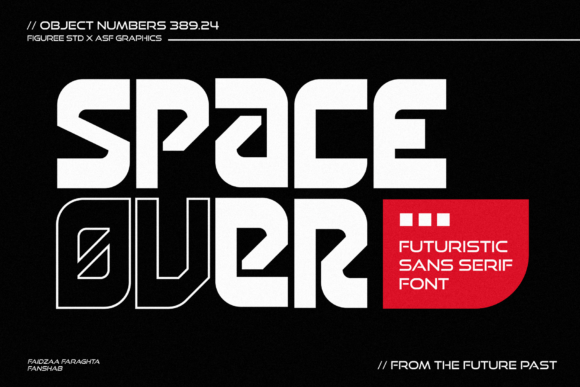
In the ever-evolving landscape of digital design, typography acts as the voice of your visuals. When a project demands a sleek, forward-thinking aesthetic, standard office fonts often fall flat. This is where Space over Font enters the conversation. As a futuristic sans-serif typeface, it is designed to propel your designs into the next dimension with clean, minimalist aesthetics and modern lines. It is the go-to choice for creators who want to signal innovation, technology, and cutting-edge style.
However, choosing the right font is only half the battle. Even the most sophisticated typeface can lead to a disjointed design if misapplied. Whether you are a freelancer drafting a brand identity, an entrepreneur launching a tech startup, or a hobbyist creating digital art, understanding how to wield Space over Font effectively is crucial. This guide explores the common pitfalls associated with futuristic typography and offers practical advice on how to integrate this typeface into your workflow for maximum impact.
The Allure and the Trap of Futuristic Typography
Space over Font is visually striking. Its sleek geometry and spacing suggest speed and progress. However, one of the most frequent mistakes beginners and even professionals make is prioritizing style over substance. The allure of the "next dimension" look can sometimes overshadow the primary goal of design: communication.
A common misunderstanding is that a futuristic font automatically makes a project look professional. In reality, if the typography does not align with the content's tone or the audience's expectations, it creates cognitive dissonance. For example, using Space over Font for a vintage bakery menu might confuse customers, no matter how beautiful the letterforms are. The font projects a specific vibe—technological and advanced. If your content is warm, organic, or traditional, this typeface will work against you rather than for you.
Better Approach: Contextual Alignment
Before downloading or purchasing Space over Font, ask yourself if the "futuristic" label truly fits your narrative. It excels in contexts like:
- Tech Startups: Apps, SaaS platforms, and hardware brands.
- Esports and Gaming: Stream overlays, tournament graphics, and clan logos.
- Modern Architecture: Portfolios for minimalist structures.
- Music Production: Album art for electronic, synth-wave, or techno genres.
If your project falls into these categories, the font is a perfect match. If you are unsure, test the font against a neutral background. If it feels "loud" or distracting, it may not be the right tool for that specific job.
The Legibility Dilemma: Body Text vs. Display
One of the most overlooked details when evaluating Space over Font is its application in long-form content. Futuristic sans-serif fonts are often designed with high stylistic features—thin strokes, unusual geometry, or tight spacing—that make them excellent for headlines but exhausting for reading.
A critical error is setting paragraphs of body copy in Space over Font. While the letters look impressive in a logo or a poster headline, rendering them at small sizes (like 12px or 14px for blog text) often leads to readability issues. Readers may struggle to distinguish between similar characters, or the "futuristic" elements may become visual noise, causing eye strain. This directly impacts user experience, increasing bounce rates and reducing the time visitors spend with your content.
Practical Correction: The Hierarchy Strategy
Treat Space over Font as a display typeface. Use it for H1, H2, and H3 headings where its modern lines can shine at larger sizes. For body text, pair it with a highly legible, neutral sans-serif or a classic serif font. This creates a visual hierarchy that guides the reader's eye. The futuristic font grabs attention, while the standard font retains it.
For example, pair Space over Font with a clean workhorse like Open Sans or Lato for the supporting text. This contrast ensures your design looks cutting-edge without sacrificing the usability of your website or document.
Technical Pitfalls: Licensing and File Management
For entrepreneurs and small business owners, the legal aspect of typography is often a source of anxiety and mistakes. It is a common misconception that if a font is available online, it is free to use for commercial projects. Downloading Space over Font from unofficial sources or ignoring the specific terms of the license can lead to legal complications or unexpected costs down the line.
Furthermore, font file management is a technical hurdle many overlook. Installing too many font variations (extra bold, thin, condensed, etc.) on your operating system can slow down your design software, such as Adobe Illustrator or Photoshop. This reduces efficiency and can lead to software crashes during tight deadlines.
Smart Solutions: Verification and Activation
Always verify the license before integrating Space over Font into a commercial asset. Look for details regarding web embedding (for blogs), print usage, and merchandise. If you are a freelancer, ensure your client is aware of the licensing costs, or factor them into your quote.
Regarding file management, consider using a font manager application. These tools allow you to activate Space over Font only when you need it, keeping your system resources free and your font menus uncluttered. This small step significantly improves workflow efficiency.
Evaluating Quality: Beyond the Surface
When you evaluate Space over Font, do not just look at the alphabet in uppercase. A frequent oversight is failing to check the "boring" parts of a typeface. How do the numbers look? Is the kerning (spacing between letters) balanced? Does the font include essential punctuation and currency symbols?
If you are designing a pricing table for an e-commerce site, but the dollar sign or the number "8" in Space over Font looks awkward or unbalanced, it can cheapen the overall presentation. Similarly, if the kerning is too tight, letters might touch or overlap in specific combinations like "AV" or "To," creating an unprofessional look.
The Checklist Approach
Before committing to Space over Font for a large project, create a "stress test" document. Type out all the characters you might need, including numbers, symbols, and common letter pairings. Scale them up and down. If you spot inconsistencies, you can decide if they are acceptable stylistic quirks or dealbreakers.
Additionally, check for variable font features or multiple weights. A single-weight font might limit your design flexibility. Space over Font often comes with variations that allow you to create contrast without introducing a second typeface, keeping your design cohesive.
Conclusion: Designing with Intent
Space over Font is a powerful asset for anyone looking to inject a modern, futuristic energy into their work. It offers a clean, minimalist aesthetic that resonates with contemporary audiences. However, the difference between an amateur design and a professional one lies in the details—legibility, context, licensing, and technical execution.
By avoiding the trap of style over substance and respecting the font's intended use, you can leverage Space over Font to elevate your brand or project. Remember to pair it wisely, manage your files efficiently, and always prioritize the reader's experience. When used with intent, this font does more than just display text; it communicates a vision of the future.