Anomaly Font: A Brutal Tool for Extreme Design
In the world of typography, most fonts aim for clarity, elegance, or neutrality. Then there are typefaces born from the underground, designed not to blend in, but to incite. Anomaly Font is one such creation—a razor-sharp black metal typeface forged in chaos. It isn't for polite invitations or corporate reports. It exists for projects that demand a raw, violent aesthetic, channeling the energy of extreme music, horror, and unapologetic darkness. With its scorched, jagged letterforms and an aggressive silhouette, Anomaly is built to dominate visuals where subtlety is a weakness.
Understanding Anomaly's Core Identity
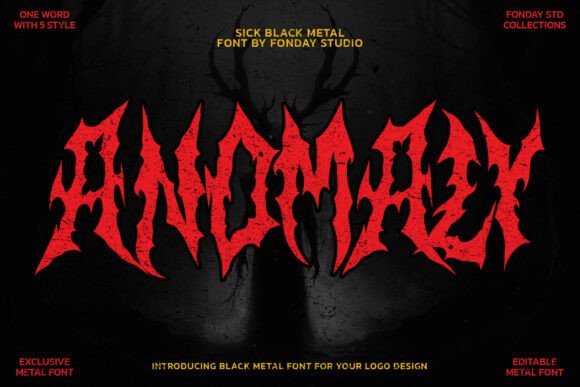
At its heart, Anomaly Font is a display typeface. Its purpose is to create an immediate, visceral impact. The letterforms appear as if they were scorched by flame, shredded by force, or splattered with something unidentifiable. This is not a font for body text; it's a weapon for headlines, logos, and key visual elements. Its design directly mirrors the aesthetic of black metal and other extreme music genres, where the visual presentation is an extension of the sonic brutality.
What sets it apart is its collection of five destructive styles bundled into one family. This isn't just a regular and bold version. Imagine applying a different layer of decay to each letter in a single word—one character might look flame-scorched, the next splattered, and the next shredded. This offers designers a level of visual flexibility and controlled chaos that is rare. It allows for the creation of dynamic, textured compositions that feel organic and lived-in, rather than sterile and digital.
Why Different Audiences Seek Out This Level of Intensity
The appeal of a font like Anomaly is highly specific, yet it resonates across several creative and professional fields. Its value isn't in universal application, but in its power to perfectly execute a particular vision.
For Musicians and Bands in Extreme Genres
A metal band's logo is its banner. For genres like death metal, doom, or black metal, the typography is the first statement of intent. A beginner in a band might struggle to convey their sound visually, often settling for generic fonts that fail to match their music's intensity. Anomaly Font solves this by providing an authentic, professional-grade tool that immediately communicates the genre's ethos. It allows a solo artist or a small band to create logos and album artwork that look like they belong alongside established acts, without needing advanced graphic design skills. The priority here is authenticity and immediate recognizability.
For Graphic Designers and Creators
Experienced designers working on festival branding, horror film posters, or merchandise for niche markets understand the need for specialized tools. They evaluate fonts on flexibility, quality, and how well they integrate into a broader design system. The five styles of Anomaly are a significant advantage here. A designer can create a cohesive yet varied visual identity for a horror convention—using the splattered style for the main logo, the scorched style for stage banners, and the shredded style for ticket stubs. This offers commercial value through its versatility, allowing one font purchase to serve multiple applications within a single project.
For Entrepreneurs and Small Business Owners in Niche Markets
Consider the owner of an online store selling alternative apparel, a small craft brewery with a penchant for dark themes, or a publisher specializing in horror comics. Their branding needs to speak directly to a subculture. Using a standard font would feel disingenuous. Anomaly Font provides a shortcut to credibility. For these business owners, the decision factors are ease of use and reliability. They need a font that works immediately in their design software, looks professional, and won't cause legal issues for commercial use. Anomaly allows them to build a brand identity that feels authentic to their niche audience without hiring a custom lettering artist.
For Hobbyists, Educators, and Bloggers
This audience might seem unlikely, but their use cases are valid. A hobbyist creating a custom t-shirt for a local metal show, a teacher designing a poster for a history unit on medieval torture devices, or a blogger writing about the aesthetics of the occult can all leverage this font. For them, the priority is often creativity and learning value. Anomaly offers a way to experiment with a powerful, expressive style. It's a tool to make a personal project stand out, to learn how extreme typography affects mood, and to add a layer of professional polish to a passion project. The cost is justified by the unique output it enables.
Evaluating If Anomaly Matches Your Project
Before integrating any specialized font, it's crucial to assess its fit. Ask yourself these questions:
- What is the core emotion or theme of my project? If the answer involves darkness, chaos, aggression, horror, or underground rebellion, Anomaly is a strong candidate. If your project requires approachability, calm, or corporate professionalism, look elsewhere.
- Who is my audience? Will they recognize and appreciate the aesthetic? A design for a black metal festival will resonate with its audience using Anomaly. Using it for a children's educational app would create a severe disconnect.
- What is my skill level? Beginners will appreciate that Anomaly's styles are ready to use, providing instant impact. Professionals will value the nuanced control the five styles offer for crafting complex compositions.
- What is the application? This font excels in logos, headers, album art, and short, impactful text. It is not suitable for long paragraphs, user interfaces, or any context where readability is the primary concern.
Ultimately, Anomaly Font