Embracing the Shadows: A Deep Dive into the Wicked Thistle Font and Modern Gothic Design
In the vast world of digital design, typography is more than just a vessel for information; it is the voice of the content. While clean sans-serifs and professional serifs dominate the corporate world, there exists a niche where darkness, whimsy, and the macabre reign supreme. Enter the Wicked Thistle Font, a typeface that does not merely sit on the page but leaps out with jagged strokes and haunting curves. For designers, event planners, and creators looking to evoke a sense of mystery, horror, or dark fantasy, understanding the nuances of a font like Wicked Thistle is essential. This article explores the anatomy, application, and artistic significance of this spooky typeface, offering a comprehensive guide for anyone looking to add a touch of chilling charm to their work.
The Anatomy of the "Wicked": Defining the Aesthetic
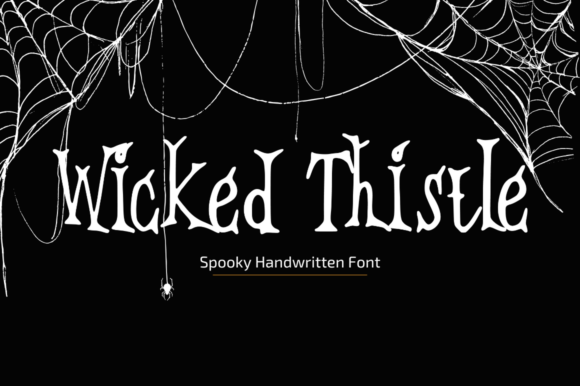
At first glance, the Wicked Thistle font strikes a balance between chaos and legibility. It is classified as a tall, eerie, spooky font, but what does that actually mean in typographic terms? Unlike standard display fonts that prioritize symmetry, Wicked Thistle embraces hand-drawn irregularities. This means that no two letters look perfectly identical, mimicking the imperfections of human handwriting or the organic, unpredictable growth of nature.
The Role of Irregularity in Typography
In traditional typography, consistency is king. However, in the realm of creative branding and thematic design, perfection can feel sterile. The irregularities in Wicked Thistle serve a specific psychological purpose. They create a sense of unease and organic movement. When a user sees a font with jagged edges, their brain associates it with rough textures, thorns, or the jagged edges of a shadow. This is particularly effective for:
- Horror-themed merchandise: T-shirts, posters, and stickers that need to convey a "scary" vibe instantly.
- Dark fairytales: Book covers where the story involves witches, forests, or ancient curses.
- Spooky titles: Headers that need to grab attention without using standard bold fonts.
Practical Applications: Where to Use Wicked Thistle
Understanding a font's look is only half the battle; knowing where to deploy it is the key to effective design. The Wicked Thistle font is versatile within its niche, fitting seamlessly into various modern contexts.
1. Halloween Invitations and Seasonal Events
Every October, designers are inundated with requests for Halloween party invitations. While many turn to cliché "blood drip" fonts, Wicked Thistle offers a more sophisticated, mystical alternative. Its tall stature makes it excellent for vertical layouts, such as tall invitations or social media stories. It suggests a "witchy" or "potion-making" aesthetic rather than just generic slasher-horror, making it perfect for themed dinner parties or haunted house promotions.
2. Mystical Branding and Logo Design
Branding is about personality. For businesses in the alternative medicine, tarot reading, or gothic fashion industries, standard fonts fail to capture the essence of the service. Wicked Thistle provides a haunting curve that feels authentic. Imagine a logo for a perfume called "Midnight Thorn" or a coffee shop named "The Black Cauldron." The font acts as a visual handshake, immediately telling the customer, "This brand embraces the dark and the mysterious."
3. Gaming and Entertainment
The gaming industry, particularly the indie horror and fantasy RPG (Role-Playing Game) sectors, relies heavily on atmospheric typography. A font like Wicked Thistle is ideal for:
- Loading screen titles.
- Inventory headers for magical items.
- Dialogue text for eerie characters (though readability must be tested).
The jagged strokes of the font mimic the aesthetic of classic fantasy maps and grimoires, helping to immerse the player in a world of dark magic.
The Technical Side: Readability vs. Style
A common misunderstanding among novice designers is that "spooky" fonts are unreadable. While it is true that many decorative fonts sacrifice legibility for style, Wicked Thistle is designed to maintain readability. This is a crucial distinction. A font can be eerie without being incomprehensible.
Best Practices for Usage
To get the most out of the Wicked Thistle font, follow these guidelines:
- Use for Headlines Only: Because of its tall, stylized nature, this font is best suited for H1, H2, or H3 headers. Avoid using it for body text, as the irregularities can cause eye strain over long paragraphs.
- Pair with Clean Fonts: Contrast is the foundation of good design. Pair Wicked Thistle with a clean, sans-serif font (like Roboto or Lato) for the body text. This ensures the message is clear while the title captures the mood.
- Size Matters: Spooky fonts often lose their detail when scaled down too small. Ensure the font is large enough to display its haunting curves and details clearly.
Psychological Impact: Why We Love the "Eerie"
Why are we drawn to fonts that look like they belong in a haunted house? The psychology of design suggests that we are attracted to the sublime—experiences that are a mix of fear and awe. The Wicked Thistle font taps into the "Cottagecore" and "Goblincore" aesthetics that have surged in popularity on social media platforms like TikTok and Instagram.
These aesthetics celebrate the wild, the untamed, and the slightly creepy aspects of nature. A font that looks hand-drawn and jagged feels authentic and artisanal in a digital age dominated by AI-generated perfection. It suggests that a human hand created the design, adding a layer of warmth to the "chilling charm."
Step-by-Step: Implementing Wicked Thistle in Your Project
If you are ready to integrate this typeface into your workflow, here is a simple approach to ensure success:
Step 1: Define the Mood
Before installing the font, ask yourself: Is my project scary, or is it mystical? Wicked Thistle works for both, but the surrounding design elements (colors, images) will dictate the final feel. For a scarier look, pair it with dark reds and blacks. For a mystical look, pair it with deep purples and silvers.
Step 2: Check Licensing
Always ensure you have the correct license for the font. If you are using Wicked Thistle for commercial merchandise (like selling t-shirts), verify that the license permits "print on demand" or commercial use.
Step 3: Test in Context
Never design in isolation. Place your text on the actual background it will live on. A jagged font like this can sometimes blend into busy backgrounds. You may need to add a subtle drop shadow or a dark overlay behind the text to make it pop.
Conclusion: The Timeless Appeal of the Dark and Beautiful
The Wicked Thistle Font is more than just a collection of jagged lines; it is a tool for storytelling. In a world where visual content is consumed in milliseconds, having a font that instantly communicates "eerie," "magical," or "dangerous" is invaluable. Whether you are designing a Halloween invitation, branding a mystical business, or creating a dark fairytale book cover, this typeface offers the perfect blend of artistic expression and functional design.
By understanding its structure—its tall profile and hand-drawn irregularities—and applying it with a focus on readability, you can harness the chilling charm of Wicked Thistle to elevate your creative projects. Embrace the shadows, respect the curves, and let your typography speak with a voice that is undeniably wicked.