Chocolate Bar Font: A 3D Color Typeface for Creative Projects
Understanding the 3D Color Font
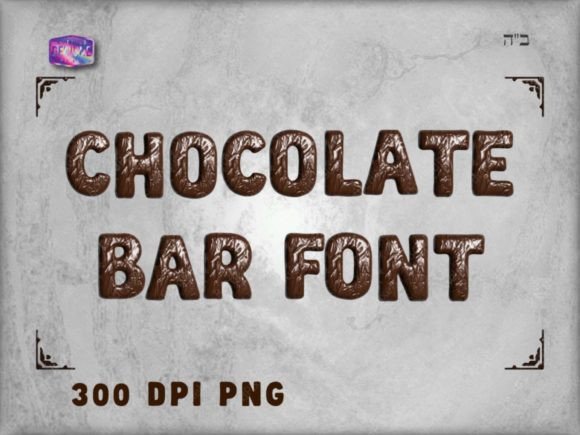
The Chocolate Bar Font is a specialized OpenType-SVG color font designed to mimic the texture and dimensionality of real chocolate. Unlike standard vector fonts that rely on flat color fills and manual layering for 3D effects, this typeface includes built-in shading, highlights, and depth. It renders a realistic chocolate bar appearance immediately upon typing. This technical distinction is important for designers looking to save time while maintaining high-quality visual output. The font is specifically engineered for digital design environments that support color font technology.
Technical Specifications and Compatibility
It is crucial to understand the file format before purchasing. The Chocolate Bar Font is distributed as an OpenType-SVG file. This format embeds SVG graphics within the font file, allowing for complex color data. Consequently, it is fully compatible with professional design software such as Adobe Photoshop, Adobe Illustrator, Silhouette Studio, and Inkscape. However, users should note that standard OTF and TTF versions of this product are not compatible with Cricut machines due to the software's limitations regarding color font processing. For those unfamiliar with installing or utilizing these files, checking the provider's Ultimate Font Guide is recommended to ensure a smooth workflow.
Practical Applications for Creators and Businesses
Integrating a themed typeface like the Chocolate Bar Font into your toolkit opens up specific avenues for visual communication. It is most effective when used for projects centered around food, desserts, parties, or celebratory themes. The font eliminates the need to manually draw chocolate textures, allowing creators to focus on layout and messaging.
Event Branding and Stationery
For event planners and freelancers specializing in stationery, this font serves as a strong focal point for party invitations, especially for birthdays, bake sales, or holiday gatherings. Because the font has a distinct 3D appearance, it works best as a headline or title element. For example, a "Happy Birthday" header rendered in the Chocolate Bar Font immediately sets a festive, indulgent tone without requiring additional illustration. To maintain readability, pair this decorative font with a clean, sans-serif typeface for body text and logistical details like dates and times.
Digital Marketing and Social Media
Marketers and bloggers in the culinary niche can leverage this typeface for social media graphics. A bold "Recipe of the Week" graphic using the chocolate texture can increase engagement on platforms like Instagram or Pinterest. When designing for digital screens, ensure the font size is large enough to showcase the texture details. If the text is too small, the 3D effect may become muddy or pixelated. Use high-contrast backgrounds—such as pastel pinks, mint greens, or stark whites—to make the brown chocolate tones pop.
Adapting the Font for Different Audiences
Different creative professionals will approach the Chocolate Bar Font with distinct goals. Adapting the usage to fit the specific context of the project is key to professional results.
For Small Business Owners and Bakeries
Small business owners, particularly those running bakeries, candy shops, or cafes, can use this font to create cohesive branding assets. Consider using it for menu headers, loyalty card designs, or packaging mockups. When applying the font to physical products, it is essential to print at a high resolution to preserve the intricate chocolate details. A blurry chocolate texture can look unintentional rather than stylistic. Ensure your printer settings are adjusted for high-quality color output.
For Educators and Hobbyists
Educators creating materials for classroom parties or fun activity sheets can use the Chocolate Bar Font to make content more engaging for students. Hobbyists can apply it to scrapbooking elements or personalized gift tags. In these contexts, the font adds a layer of playfulness. However, avoid using it for long sentences or instructional text. The decorative nature of the font makes extended reading difficult; reserve it for titles, headers, and short, impactful phrases.
Design Principles for Using 3D Fonts
Working with 3D and textured fonts requires a slightly different approach than working with standard typography. To keep your designs organized and effective, consider the following practical guidelines.
- Limit the Scope: Do not use the Chocolate Bar Font for an entire paragraph. It is designed for impact, not readability. Use it for 1 to 3 words maximum in a given layout.
- Check Alignment: 3D fonts often have "shadows" that extend beyond the standard text boundaries. Ensure your text boxes are large enough to accommodate the full visual weight of the letters without clipping.
- Color Harmony: While the font is brown by default, the background color dictates the mood. A brown font on a yellow background feels bright and fun. The same font on a dark red background feels rich and luxurious.
Software-Specific Tips
Since the Chocolate Bar Font is an OpenType-SVG file, behavior may vary slightly between software. In Photoshop, you can rasterize the layer to apply standard filters, though this removes text editability. In Illustrator, you can scale the vector elements, but be mindful of file size. For Silhouette users, ensure your software version supports color fonts to see the intended design rather than a black-and-white placeholder. Always test a sample word before finalizing a large design to verify that the rendering matches your expectations.
Conclusion
The Chocolate Bar Font is a niche tool that solves a specific creative challenge: adding realistic, 3D chocolate texture to digital designs quickly. It is a valuable asset for creators who frequently work on food-related or party-themed content. By respecting the technical limitations of the file format and applying standard typography hierarchy rules, designers can produce professional, visually appealing work that resonates with their audience. Whether you are a freelancer designing a client menu or a hobbyist making invitations, this font provides a distinct visual asset that standard typefaces cannot replicate.