Font in a Box: A Practical Look at This Display Typeface
Choosing the right typeface for a project often feels like searching for a missing puzzle piece. You need something that captures attention, conveys a specific mood, and works seamlessly within your design. While traditional sans-serifs and serifs serve as reliable workhorses, display fonts inject personality and immediate impact. Font in a Box is one such option—a typeface designed to be bold, fun, and unmistakably distinct. But is it the right tool for your creative toolbox? This article explores its characteristics, ideal applications, and how it stands up against other stylistic choices.
Understanding the Character of Font in a Box
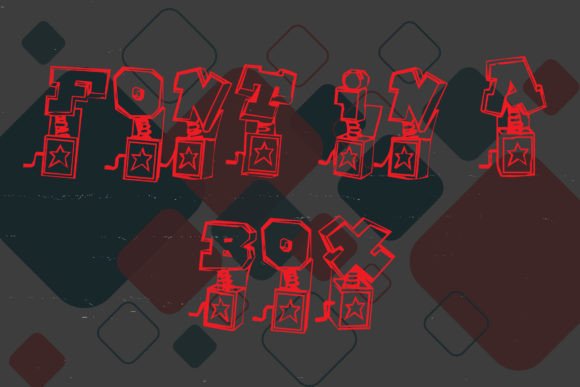
At its core, Font in a Box is a display typeface. This means it's crafted for headlines, logos, and short bursts of text where visual impact is the primary goal. Its design is inherently playful and structured, often evoking a sense of nostalgia or a retro aesthetic. The letterforms typically feature strong, geometric shapes with consistent stroke widths, giving it a clean yet energetic appearance. Unlike more formal typefaces, it doesn't shy away from having a distinct personality—its charm lies in its ability to immediately set a tone.
What makes Font in a Box stand out in a crowded market of display fonts? Its uniqueness often comes from a balanced blend of simplicity and character. It avoids being overly whimsical or childish, which broadens its usability. Instead, it offers a confident, graphic quality that can anchor a design. Think of it as a typeface with a built-in point of view; it's not trying to be neutral, which is precisely its strength for the right project.
Where Font in a Box Excels: Ideal Use Cases
The effectiveness of any font is context-dependent. Font in a Box thrives in environments where you need to grab attention quickly and communicate a specific vibe. Its best-fit situations often include:
- Branding and Logos: For brands that want to project friendliness, creativity, or a modern-retro sensibility, this font can become a cornerstone of the visual identity. It works well for startups, lifestyle brands, or any business aiming to appear approachable and distinctive.
- Poster and Title Design: Event posters, book covers, and movie titles benefit from its high legibility at large sizes and its inherent style. It can set the mood for a concert, a festival, or a creative publication instantly.
- Packaging and Merchandise: On product packaging, especially for food, beverages, or artisanal goods, Font in a Box can add a layer of personality and shelf appeal. It’s equally effective on merchandise like t-shirts and tote bags.
- Digital Headers and Social Media Graphics: In the fast-scrolling digital world, a bold header font is crucial. This typeface can make blog titles, website banners, and social media posts pop, encouraging engagement.
The key is using it where short, impactful text is needed. Its design is not optimized for long-form reading, so it pairs best with a more neutral, readable font for body copy.
Considering the Tradeoffs: Limitations and Pairings
No typeface is perfect for every scenario. Font in a Box, due to its strong personality, has clear tradeoffs. Its most significant limitation is its unsuitability for extended text. Using it for paragraphs would compromise readability and cause visual fatigue. It is, by design, a specialist for headlines and display use.
Another consideration is stylistic coherence. Because it carries a distinct retro or playful tone, it can clash with designs that require a minimalist, corporate, or ultra-modern aesthetic. Forcing it into a context where its personality feels out of place will create dissonance rather than harmony. This is where careful evaluation is critical—does the font's inherent mood align with your project's message?
This leads to the crucial practice of font pairing. Font in a Box rarely works in isolation. It needs a complementary partner for body text. The ideal pairing is often a simple, clean sans-serif (like a classic Helvetica or a modern geometric sans) or a highly readable serif. The contrast between the expressive display font and the neutral body font creates a visual hierarchy that is both appealing and functional. The display font does the heavy lifting for attention, while the body font ensures comfort and clarity.
Evaluating Alternatives and Making Your Choice
When exploring options, you're not just choosing between specific fonts but between broader categories and approaches. Font in a Box sits within the realm of characterful display typefaces. Alternatives could include:
- Traditional Serifs (e.g., Bodoni, Didot): For a classic, elegant, or luxurious feel, especially in fashion or editorial contexts.
- Modern Sans-Serifs (e.g., Futura, Avenir): For a clean, sophisticated, and timeless look that leans more minimalist.
- Handwritten or Script Fonts: For a more personal, artisanal, or organic touch, though these can sometimes sacrifice legibility.
- Other Geometric Display Fonts: Many fonts share a similar structured, playful DNA. The choice often comes down to subtle differences in letterform, spacing, and overall "feel."
Your decision should be guided by a few practical factors. First, define the project's core message. Is it fun and energetic, or serious and authoritative? Second, consider your audience. A typeface that resonates with a young, creative demographic might not work for a financial institution. Third, test it in context. Always mock up the font with your actual content, colors, and imagery. A font that looks great in isolation might not integrate well with your other design elements.
Font in a Box may be the right choice if your project calls for a bold, confident, and stylistically specific headline font with a touch of retro charm. It’s a tool for making a statement. However, if your design requires absolute neutrality, extreme versatility across all text sizes, or a tone of solemn seriousness, you would be better served by exploring other categories entirely.
Practical Implementation and Final Thoughts
If you decide Font in a Box fits your vision, implementation is straightforward. It typically comes in standard web and desktop formats (like OTF or TTF), making it easy to install and use across design software, websites, and print materials. Always check the license to ensure it covers your intended use, whether for personal projects, commercial client work, or merchandise.
In the end, selecting a typeface like Font in a Box is about embracing a specific aesthetic to enhance your communication. It’s not a universal solution, but a powerful stylistic choice. By understanding its strengths, acknowledging its limitations, and pairing it thoughtfully, you can leverage its unique character to create designs that are not only visually engaging but also true to your project's intent. Add it confidently to projects where its personality is an asset, and you may well be amazed at the cohesive and striking outcome it helps generate.